











- September 14, 2026
- 25
- Uncategorized
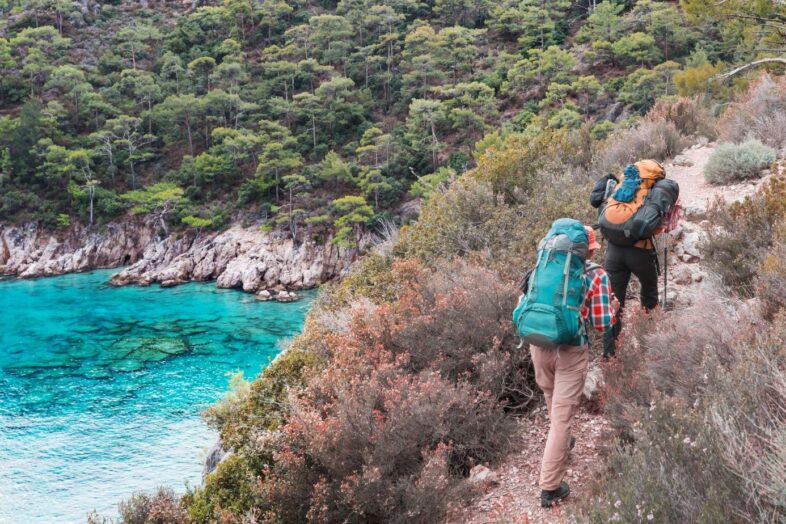
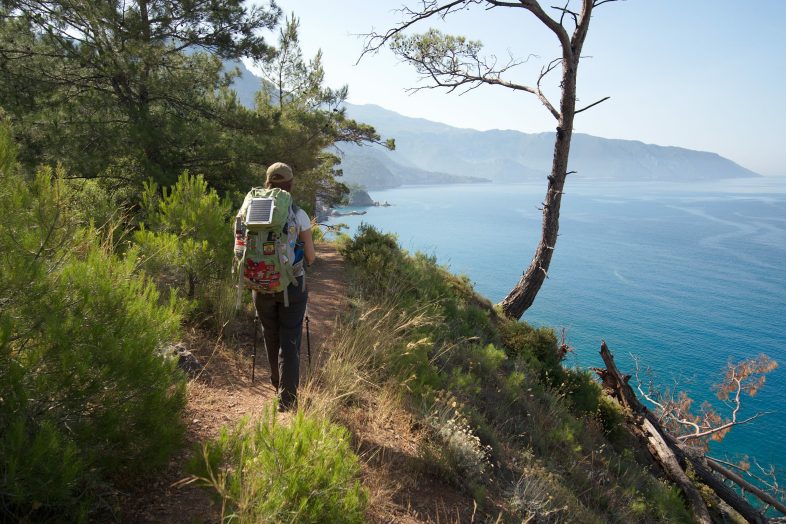
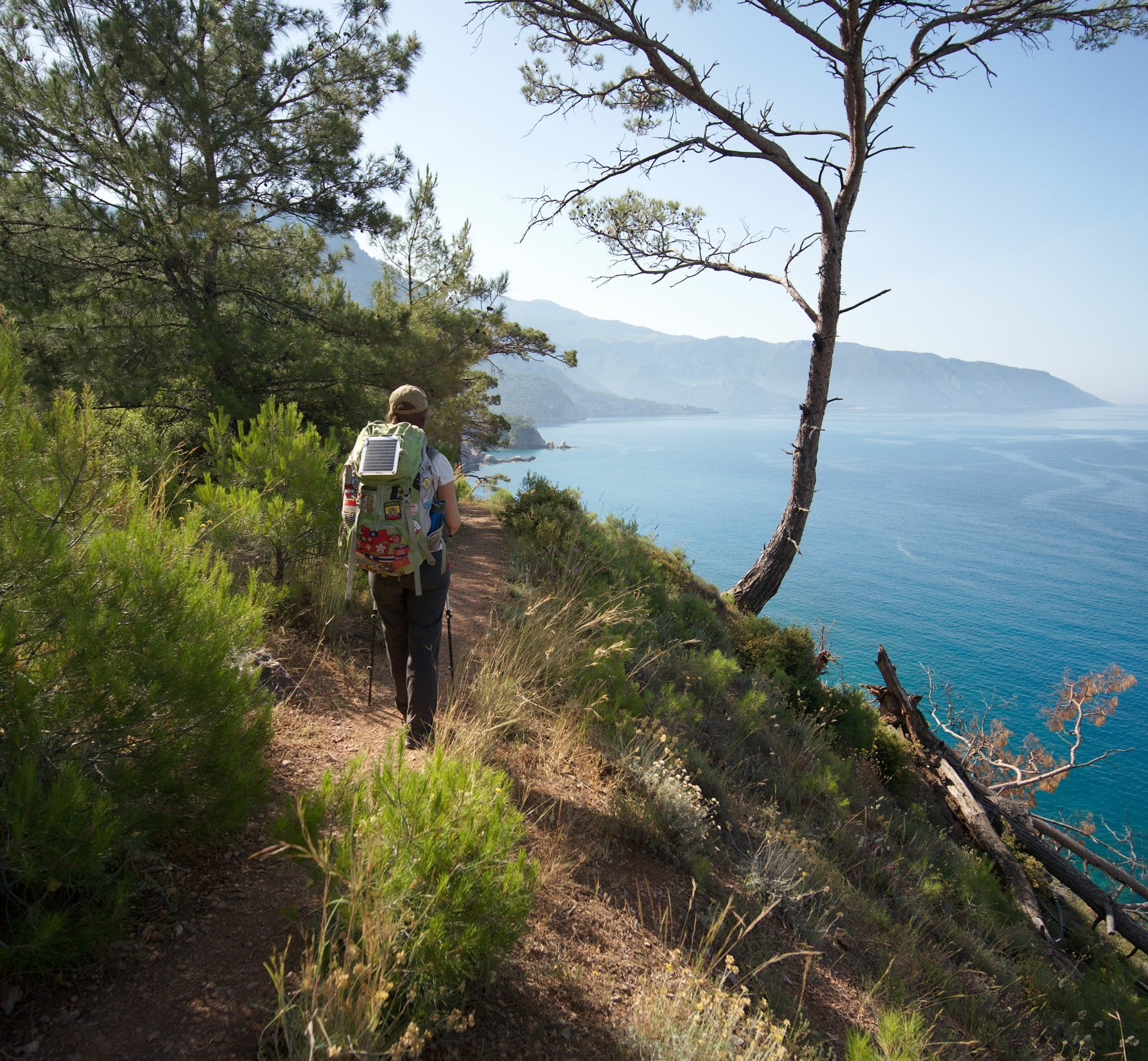
Most people who come to Fethiye for the sea and the beaches never notice it, but right behind the town, winding through olive groves and pine forests for hundreds of kilometers, a trail begins: the Lycian Way. One of the world’s great long-distance hiking routes, it takes you from the turquoise waters of Ölüdeniz to the silence of ancient ruins, from the summit of Babadağ to coves most visitors never find.
What is the Lycian Way?
The Lycian Way was waymarked by British researcher Kate Clow and opened to hikers in 1999, running from Fethiye all the way to Antalya. It takes its name from the ancient Lycian civilization, which left its mark across the region in rock-cut tombs and the ruins of city-states.
Sources vary slightly on the total length: the main route is usually cited at somewhere between 500 and 555 kilometers, though more recent accounts put the full network — including newer connecting sections — at over 700 kilometers. That’s less a discrepancy than a reflection of the trail itself: it isn’t a fixed line, but a route that keeps growing.
Starting point: Fethiye
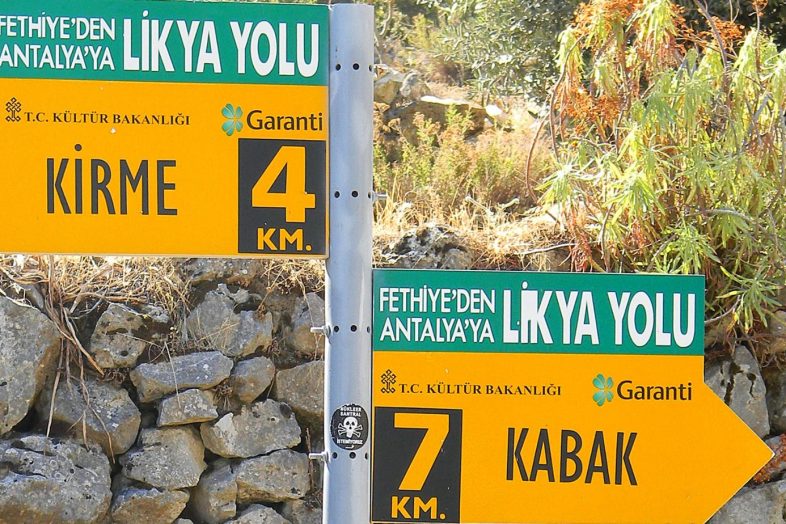
The western end of the Lycian Way begins with a signpost in Fethiye’s Ovacık neighborhood — which makes Fethiye not just a beach destination, but the gateway to Turkey’s best-known trekking route. The opening stretch is considered one of the most scenic and popular sections of the whole trail, and a natural place to start if you only want to walk a short piece of it.
Highlights around Fethiye and Ölüdeniz
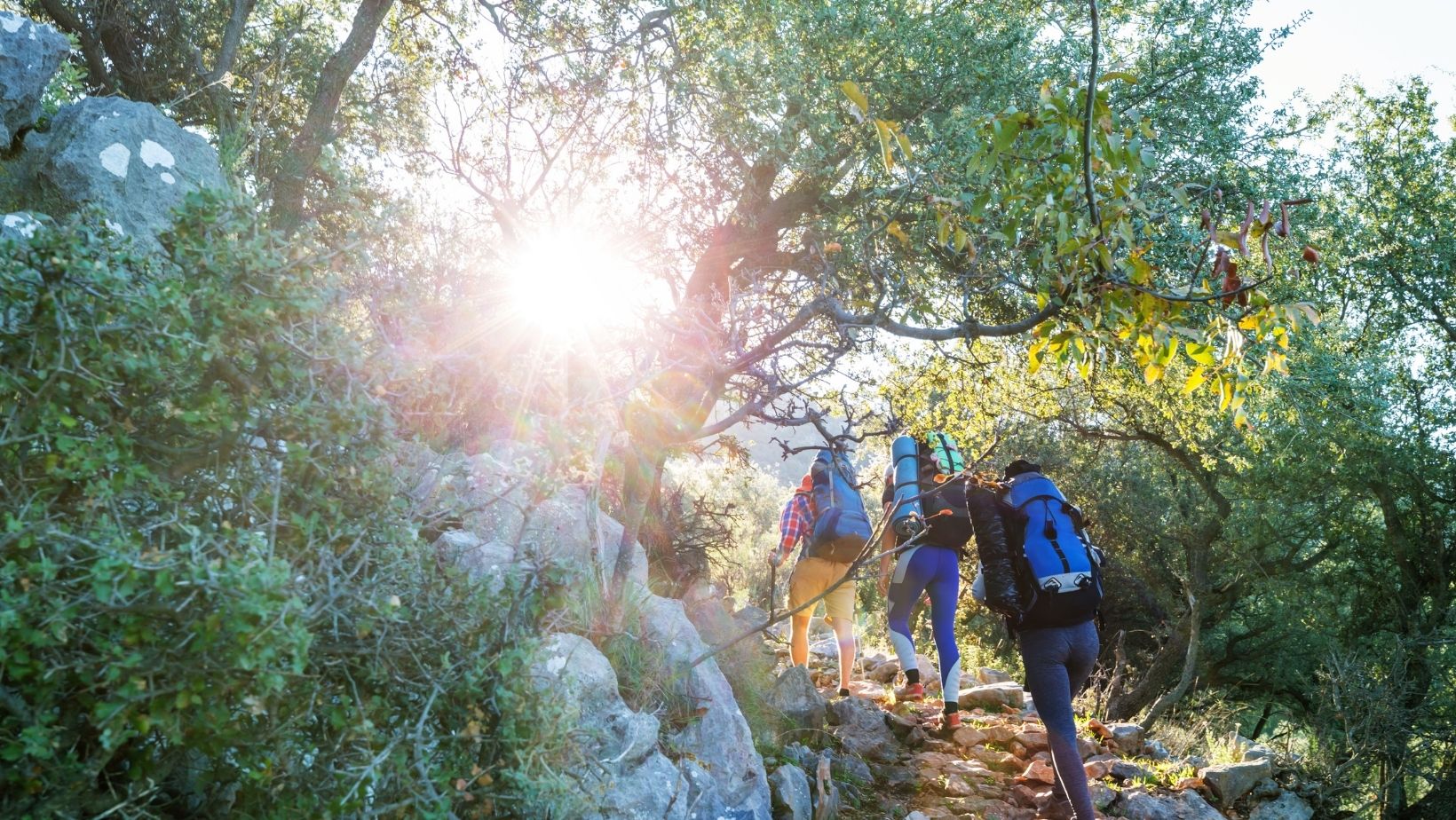
Walking the entire Lycian Way takes weeks of serious preparation, but getting a feel for it doesn’t have to. A few standout sections close to town:
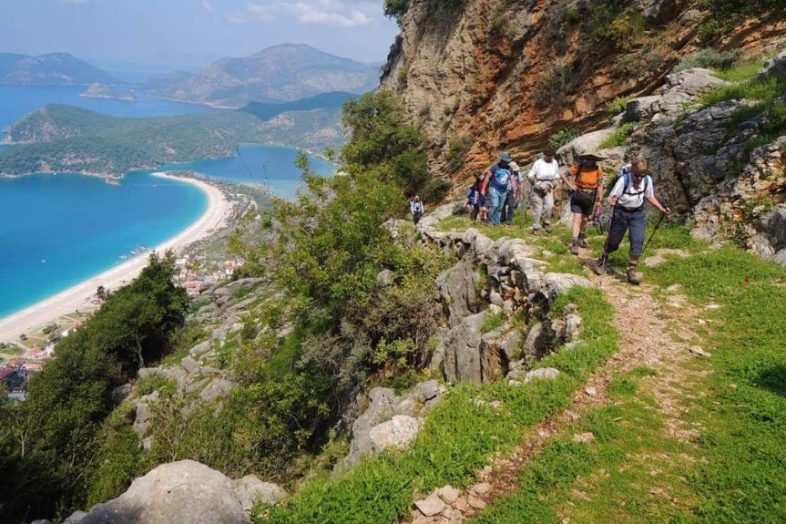
- Kayaköy to Ölüdeniz: starting at the abandoned Greek village of Kayaköy, the trail drops through olive groves and pine forest down to Ölüdeniz’s blue lagoon — one of the most walked short stretches in the area.
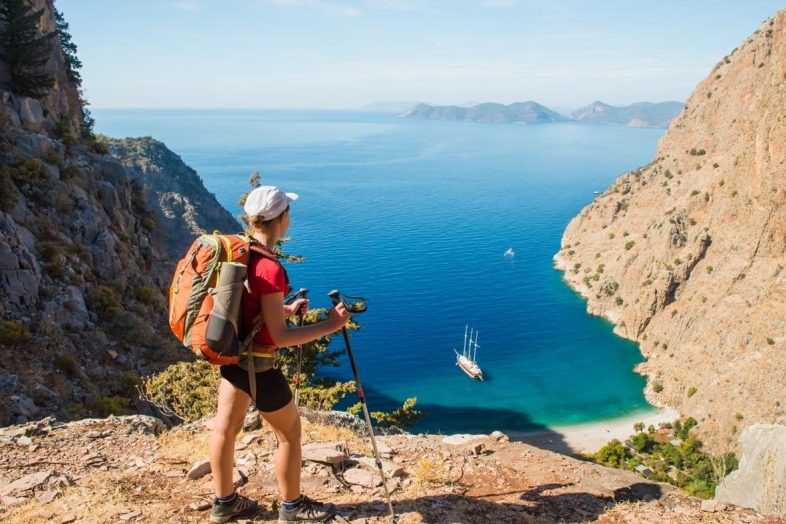
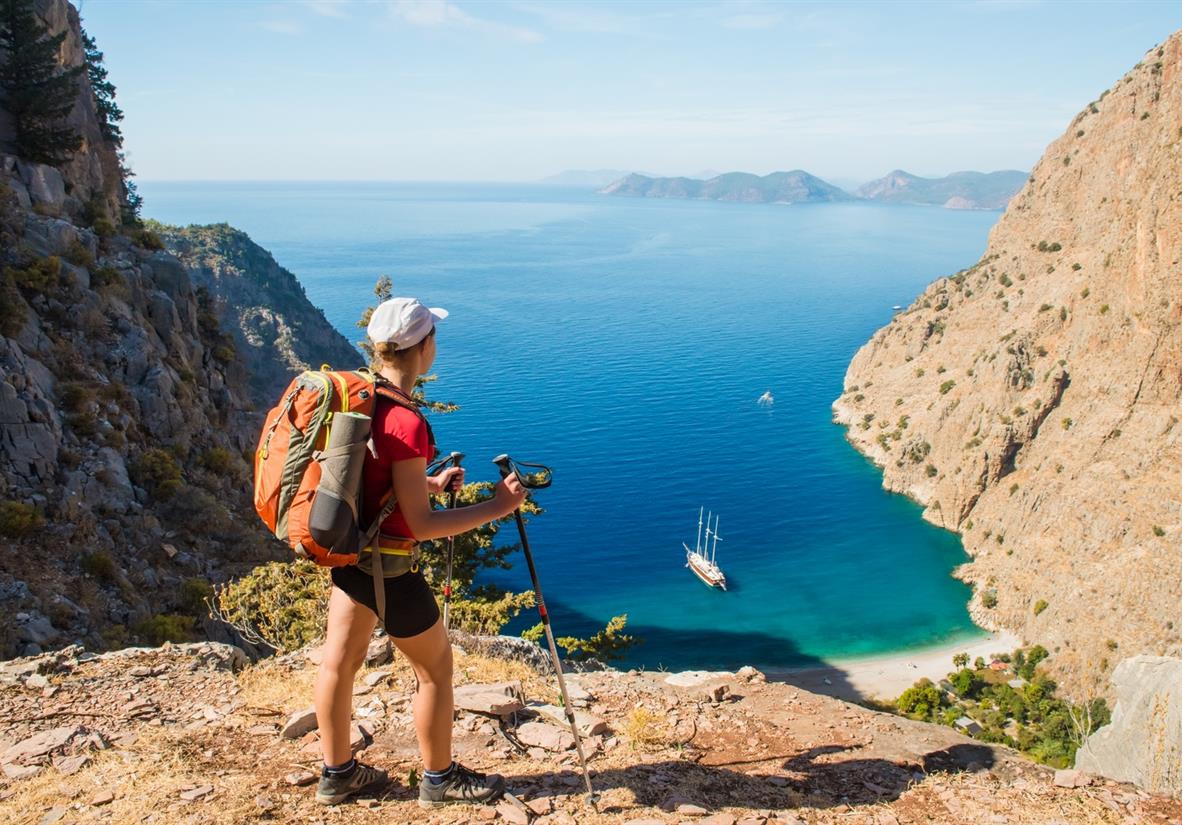
- Ölüdeniz to Faralya to Butterfly Valley: a coastal section where the sea is almost always in view, moderate in difficulty.
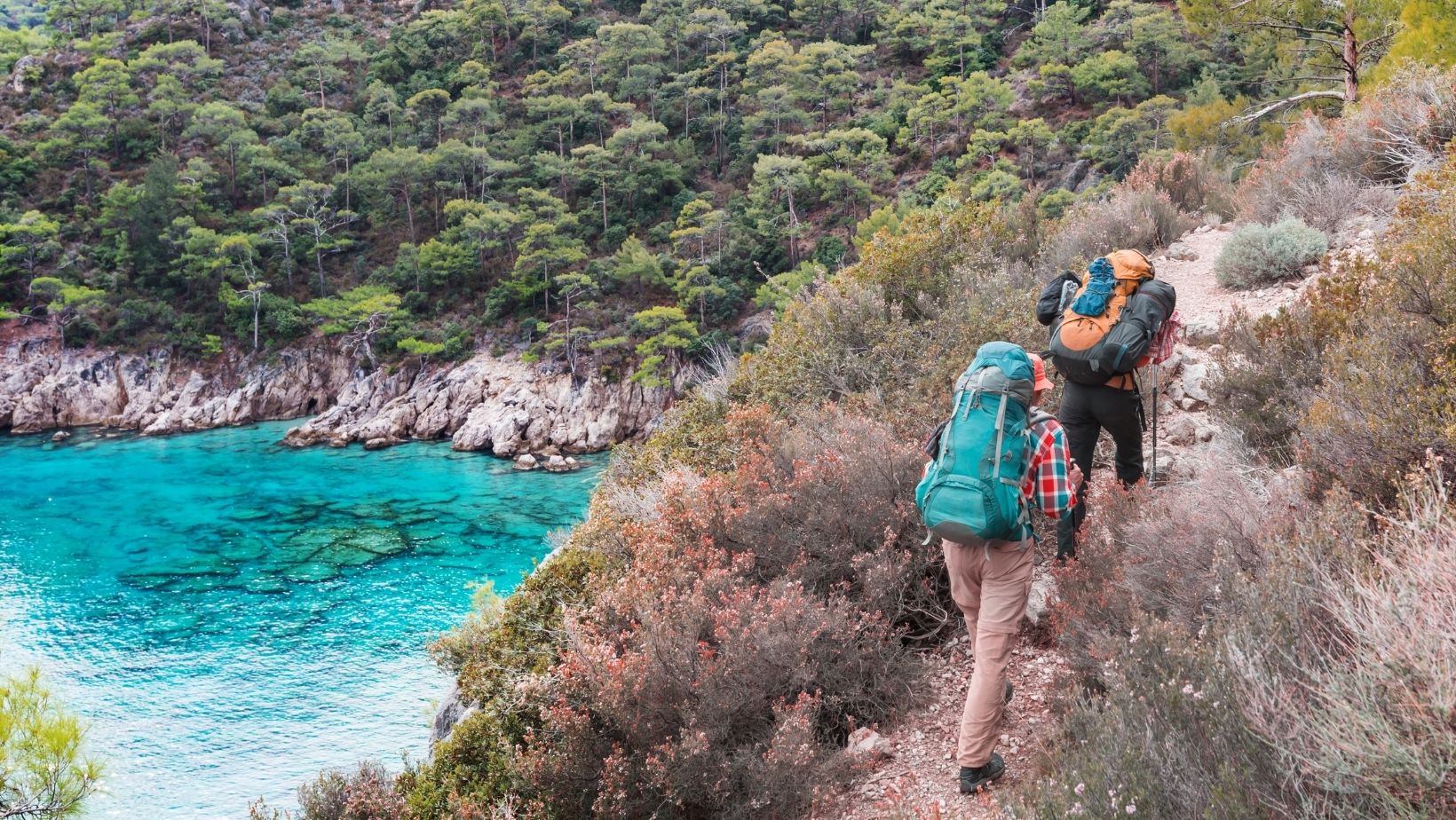
- Faralya to Kabak Bay: a bit more climbing, leading to one of the trail’s most untouched coves.
- Telmessos and the Amyntas Rock Tombs: ancient sites right alongside the trail, ideal for anyone who wants to add a short detour into history.
When to walk it
The Mediterranean summer heat makes long stretches of the Lycian Way tough going. Spring (March-May) and autumn (September-November) are the seasons hikers favor here — cooler temperatures and quieter trails.
Before you set out
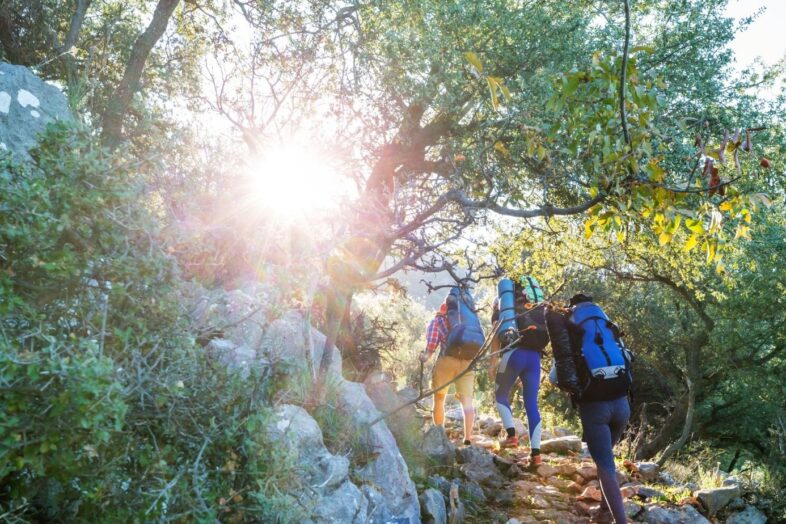
- Some sections have weak waymarking, rocky terrain, and significant elevation gain; inexperienced hikers are better off sticking to the short, well-known stretches.
- Plenty of water, sunscreen, a hat, and sturdy footwear are close to essential.
- Water sources can be sparse along certain sections — carry enough for the day’s route.
- Check current maps and waymarking sources before heading out, since the trail and its markings continue to change.
Why try it
Walking even a piece of the Lycian Way from Fethiye means seeing the region from above instead of from the shore — a cove appearing suddenly past a ridge, an ancient column rising out of an olive grove, the quiet streets of Kayaköy. For anyone spending a few days in Ölüdeniz, stepping a short way off the beach and onto this trail adds a completely different layer to the trip.
Add Comment
You must be logged in to post a comment.